




Haunted houses have nothing on the feeling of refreshing your brand’s mentions ten minutes after a campaign goes live. With Halloween around the corner, we’re looking at four marketing mistakes that gave household-name brands a very bad week, and what you can borrow from each one without living through it yourself. The team at Ignite Search loves a good scare, as long as there’s a lesson waiting at the end.
A quick note before we start: this isn’t a roast. Each campaign came from smart, experienced people with good intentions, and none of these brands stayed down for long. Hindsight makes everything look obvious, so think of this as a tour of the hazards. Keep the lights on.
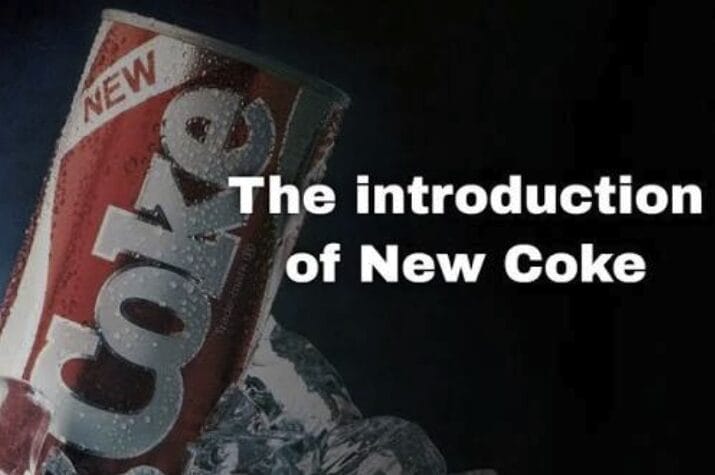
Nightmare One: The Taste Test That Couldn’t Measure Love (New Coke, 1985)
Let’s start with the one marketing classrooms have taught for forty years. In April 1985, Coca-Cola changed its recipe for the first time in 99 years. It wasn’t a reckless move, because blind taste tests had favoured the new formula. Then the calls started, up to 8,000 a day, and the original returned as Coca-Cola Classic after just 79 days. Coca-Cola’s own history page calls the episode a lesson in taking intelligent risks.
So what’s in it for you? Taste is easy to test. Attachment isn’t. Before you change your packaging, pricing or the product your regulars love most, ask the people who’ve been with you for years, not just newcomers. That loyalty is brand equity, and good branding development and management is what protects it when something has to change.
Nightmare Two: The Brave Confession (Domino’s, 2009 to 2010)
Now for a plot twist, because not every nightmare ends badly. Customers had been describing Domino’s crust as cardboard, and the brand chose to stop pretending it hadn’t heard. It put that feedback straight into its ads, with real customers and executives on camera, and promised a new recipe. The Pizza Turnaround campaign began in late 2009 and ran through 2010, and WARC reports that same-store sales rose 14.3% in the first quarter of 2010.
You don’t need a TV budget to borrow this. Next time a review stings, ask yourself a straight question: is it wrong, or is it true? If it’s true, fix the thing first, then talk about it. Try reading your three-star reviews aloud at your next team meeting. It’s uncomfortable and very useful.
Nightmare Three: The Hashtag With a Mind of Its Own (McDonald’s, 2012)
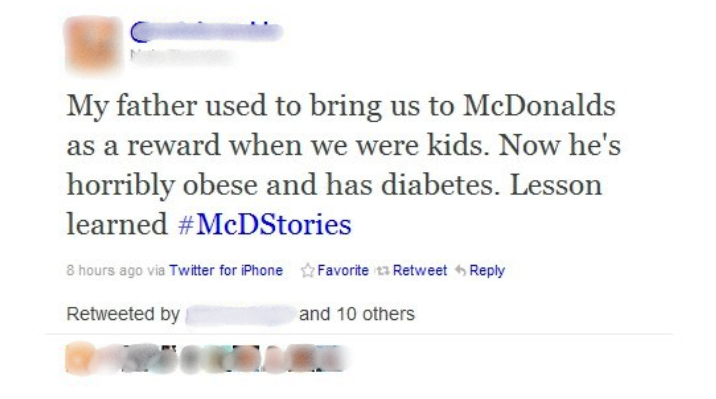
Think of a hashtag as an open mic night. You can hand over the microphone, but you don’t get to pick what comes out. In January 2012, McDonald’s promoted two hashtags on Twitter. #MeetTheFarmers shared supplier stories and went well. #McDStories invited everyone to share their own, and some people shared complaints. The team spotted it quickly and pulled the tag within two hours. The brand’s social media director also pointed out that it made up about 2% of the 72,788 mentions of McDonald’s that day.
If you’ve ever run a “tell us your story” post or a comment-to-win giveaway, this one’s for you. Ask for something specific, like your go-to order, so the answers land where you want them. Then have a real person watching the first hour. A good social media marketing plan covers the replies as well as the post, and pulling that tag fast was the right call.
Nightmare Four: The Bottle That Missed the Point (Dove, 2017)
Here’s the thing about good intentions: they don’t always translate. Dove’s Real Beauty platform had already run for well over a decade when, in May 2017, the brand released six limited-edition body wash bottles in different shapes to celebrate body diversity. Not everyone saw it that way. Plenty of people online felt that matching a bottle to a body type missed the message, and Marketing Dive called it a rare misstep for the brand.
A strong purpose can survive a shaky execution, but it needs a gut check first. Show a rough version to five people who actually fit your audience, and skip “do you like it?” Ask what the idea says about people like them. The answer tells you more than any survey score.
Your Turn: Run a Pre-Mortem Before You Hit Publish
Here’s a habit worth stealing. A pre-mortem asks your team to assume the campaign has already gone wrong, then explain why. It takes an hour and costs far less than a bad week. Put these three questions on the table:
- What’s the worst reasonable reply? If a stranger wanted to poke fun at this, what would they say? Fix whatever makes that easy.
- Who can pull the plug, and when? Decide in advance who makes the call and what number triggers it. Digital analytics and social listening will show you early warning signs while they’re still small.
- Does this sound like us? A clear digital marketing strategy makes that easy to answer. It’s also the best defence against chasing trends that don’t suit you, which we covered in TikTok Slang Marketing: Should Your Brand Even Try?
Every brand in this post recovered, and that’s the real comfort here. A misstep is survivable when you notice quickly, respond honestly and learn something from it. If you’d like a second set of eyes before your next launch, get in touch with Ignite Search.