






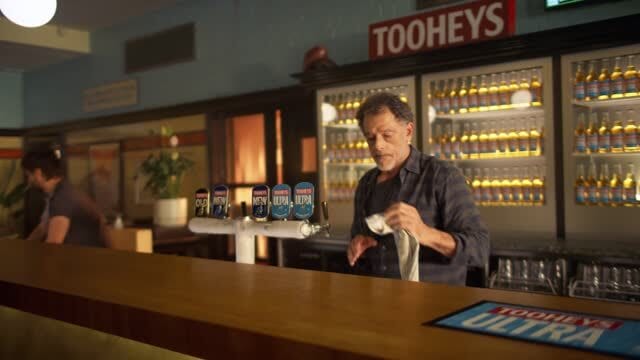
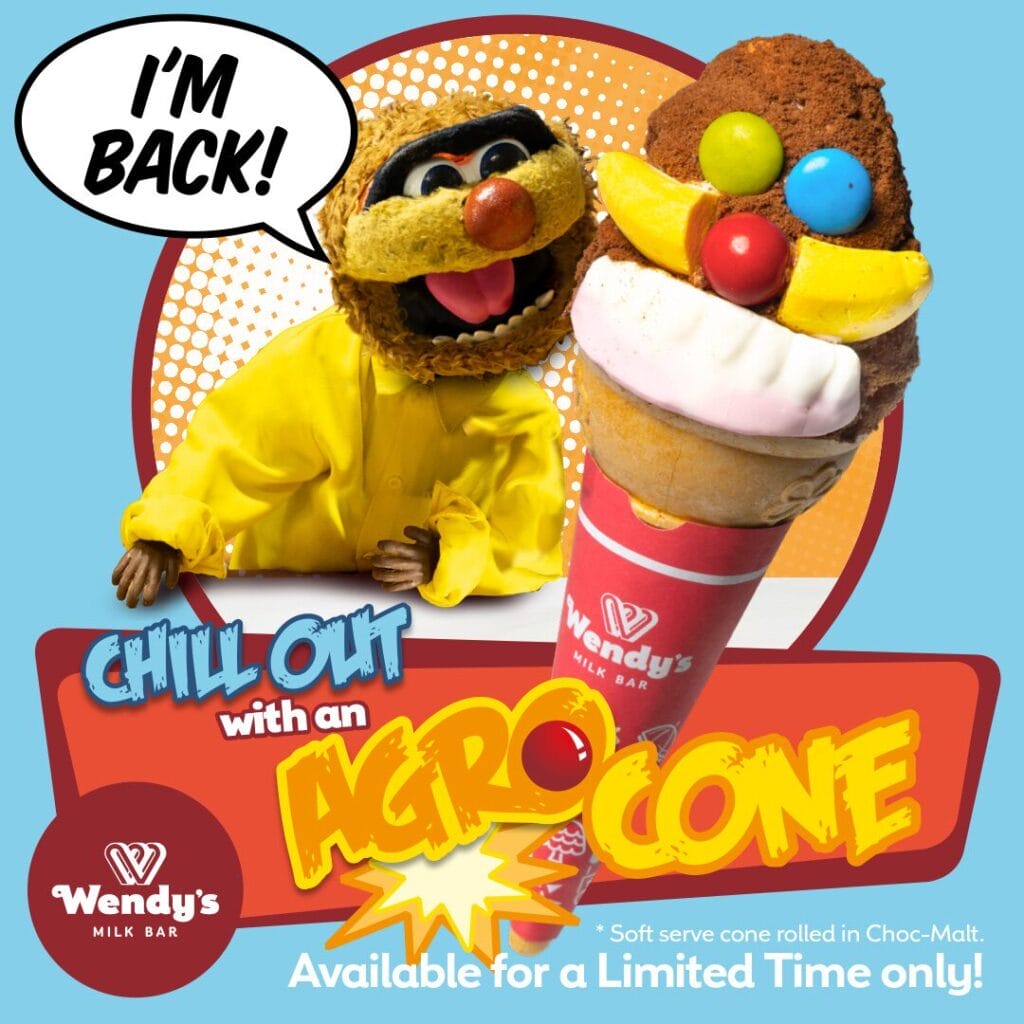
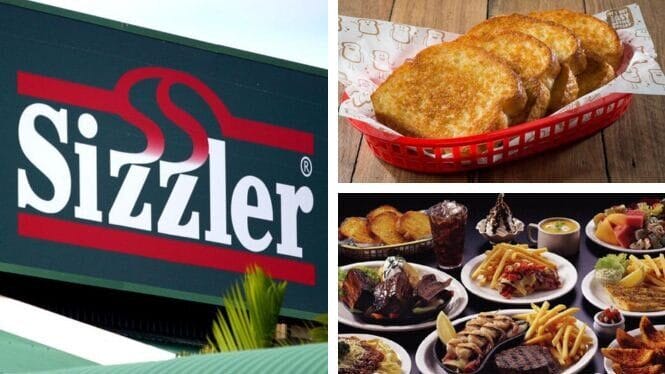
Sizzler is making a comeback. Wendy’s Milk Bars is bringing back the Agro cone. Toohey’s Ultra is putting Mike Whitney and the Dune Rats back in the pub. You felt something when you heard that. A warmth. A pull. Maybe even a change of perspective. That is not coincidence. That is nostalgia marketing working exactly as intended, and right now it is one of the most powerful strategic tools available to brands operating everywhere.
At Ignite Search, we work at the intersection of consumer behaviour, digital ads & social media and content marketing. Nostalgia marketing sits squarely there, which is why it deserves a clear-eyed look, not just as a creative tactic but as a lever with real commercial implications and real risks and responsibilities.
The most effective marketing tool in the game right now is not AI. It is memory.
Why Nostalgia Marketing Works: And Who It Works On
Nostalgia marketing bypasses rational evaluation and lands directly in emotion. It activates comfort, belonging and continuity, feelings that translate into trust, preference and purchase. It is disproportionately effective on Millennials, Gen X and Baby Boomers: the generations with the greatest spending power, cultural influence and decision-making authority.
But the reach extends further. According to GWI, roughly half of Gen Z also report feeling nostalgic for certain media. The Havas Red Brand Experience Report 2026 frames this as the full generational equation, the idea that the strongest campaigns do not target a single generation but bridge multiple ones simultaneously:
| Generation | What They Bring to the Table |
|---|---|
| Baby Boomers | Heritage, loyalty and cultural perspective |
| Gen X | Bridges legacy and innovation |
| Millennials | Drive purpose, participation and spending power |
| Gen Z | Fuel creativity, virality and cultural momentum |
| Gen Alpha | Redefining influence before they can vote |
Cross-generational storytelling is where nostalgia marketing becomes genuinely powerful. Older audiences bring deep cultural memory and spending power. Younger audiences bring virality and cultural momentum. The art is designing campaigns that speak to both without alienating either one.
The Four Ways Brands Are Deploying Nostalgia Right Now
Nostalgia marketing is not a single tactic. It is a toolkit. Shopify’s 2025 research into the trend identifies four distinct strategic approaches, and the most effective campaigns typically combine more than one.
BLENDING THE PAST AND PRESENT
The most sophisticated nostalgia strategies remix the past rather than simply recreate it. By combining vintage aesthetics with contemporary functionality, brands tap into emotional connection without feeling like a museum exhibit.
The principle: borrow the emotional tone of the past, but deliver it in a way that serves today’s audience. The nostalgia is the invitation. The product still has to earn the relationship.
REVIVING BRAND HERITAGE AND RETARGET MARKETING
Some of the most effective campaigns come from a brand mining its own archives. This approach reminds long-term customers why they loved the brand in the first place while introducing younger audiences to that heritage authentically.
When a brand uses its own heritage, the emotional authenticity is built in. When a brand reaches for nostalgia it has no genuine claim to, audiences feel it.
CREATING ANALOGUE EXPERIENCES
In a digital-first world, there is growing appetite for the tactile and physical. Brands are tapping into nostalgia for analogue experiences; the feel of a record, the weight of a printed photograph, and the ritual of a handwritten note, as a counterpoint to the frictionless but emotionally thin digital experience.
Nostalgia is increasingly becoming a design language as much as a marketing strategy. The aesthetic itself carries the emotional message. Audiences do not just remember the thing; they remember how it felt to hold it, use it, and be present with it.
POP CULTURE COLLABORATIONS
Brands are partnering with cultural IP, films, characters, musicians, athletes, and icons to borrow the emotional equity of something audiences already love. Done well, these collaborations are genuine creative partnerships. Done cynically, they are simply renting someone else’s nostalgia.
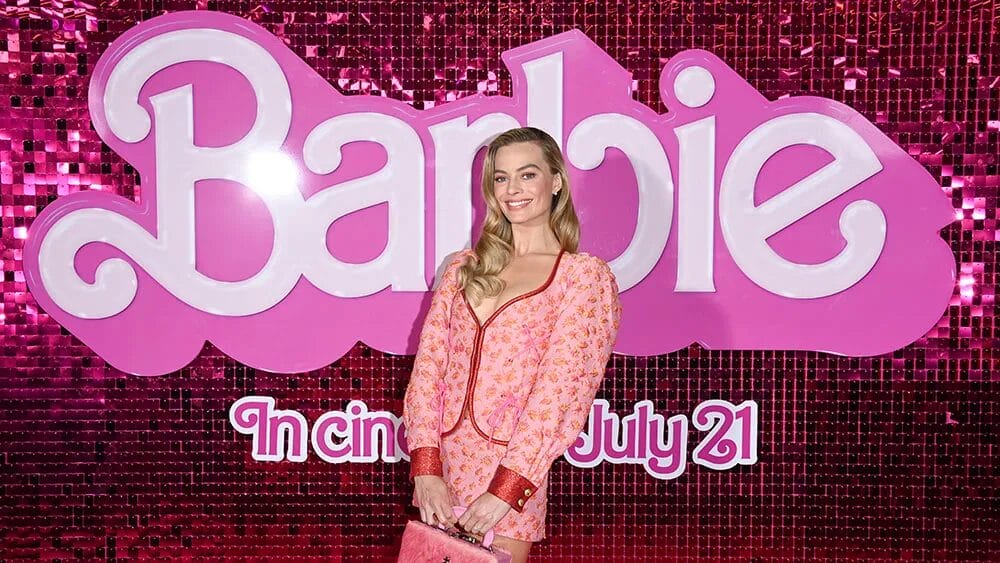
The Barbie campaign is the benchmark. Mattel and Warner Bros. did not just relaunch a product; they created a cultural event that invited dozens of other brands to participate. The brands that joined the campaign best were the ones that added something genuine, rather than simply chasing association.
The Strategic Risk Nobody Is Talking About Loudly Enough
Nostalgia marketing is, at its core, an emotional manipulation. That is a description of how it works, not a criticism of the strategy. It is also precisely what makes it dangerous when used without integrity.
When nostalgia is used to push an agenda rather than sell a product, the playbook is identical: evoke the simplicity of a different era, make the present feel broken, and make change feel like the unwanted catalyst. What it leaves out is the context behind why things changed, the problems that needed solving, and the genuine progress that followed. As Shopify’s 2025 research notes, nostalgia marketing “runs the risk of romanticising the past, idealising it while ignoring its flaws, complexities, and context”.
The moment your audience feels the manipulation, you do not just lose the campaign. You lose the goodwill. You lose the trust. You lose the brand equity you spent years building.
In an environment where audiences are increasingly media-literate, being caught using nostalgia cynically carries serious commercial consequences. Havas Red’s 2026 research is clear: brands that enter emotional spaces as authentic participants earn long-term relevance. Those that exploit them are quickly called out.
A Practical Framework for Low-Risk Nostalgia Marketing
For brands and marketers considering nostalgia as a strategic tool, the question is not whether to use it. The question is how to use it in a way that builds genuine equity rather than extracting it.
✅ Use your own heritage; earned nostalgia is always more credible than borrowed nostalgia
✅ Blend the past with something contemporary; nostalgia should be a bridge, not a destination
✅ Design for multiple generations; shared moments outperform siloed ones
✅ Make sure the product or message delivers on the emotional promise it makes
❌ Never use nostalgia to obscure what you are actually asking people to do or believe
❌ Never romanticise a past that was not equitable for everyone
The Bottom Line
For marketers, nostalgia is not just a look back; it is a bridge forward. Used honestly and in genuine service of your audience, it builds the kind of emotional equity that compounds over time. Used cynically, it is one of the fastest ways to erode the trust you have spent years building, damaging your brand and your relationship with your customer.
If you are considering a nostalgia-led marketing campaign and want to make sure it is done right, Ignite Search works with Australian brands on digital strategy, content marketing and omnichannel publications. We would be glad to help you get it right. Reach out today to organise a strategy session.