





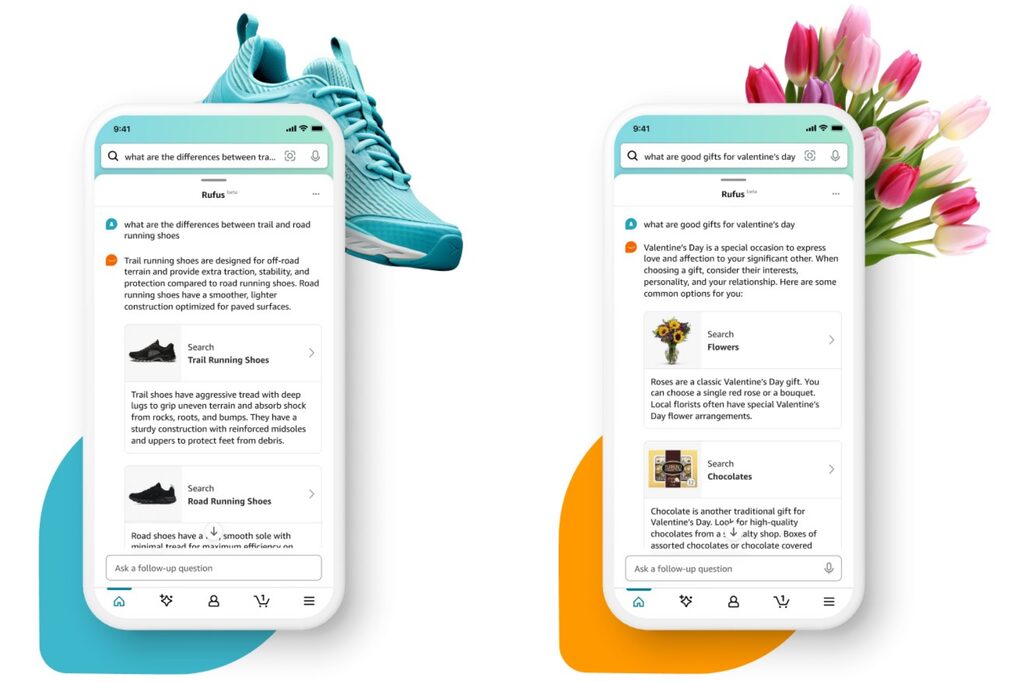
Amazon’s AI shopping agent, Rufus, can already complete a purchase for you without you ever touching the checkout button. It’s called Auto-Buy, it’s live right now, and most shoppers using it probably don’t even clock what just happened. That’s the world we’re in now, and it’s exactly what we want to get into for this final part of our AI search marketing series here at Ignite Search.
Part 1 and Part 2 of this series looked at how AI shortlists your business before a customer ever reaches your website and why that can quietly drop your traffic numbers without actually hurting your business. Here, we’re looking at what happens next: the moment AI stops recommending and actually starts buying.
The Rise of AI Shopping Agents
Picture your ideal customer. Now take away the part where they visit your site, read your reviews, or ring up with a question. An AI shopping agent does all of that instead, on their behalf, in seconds, and hands them back one answer. They act on it without ever knowing what else was on the table.
This isn’t a fringe habit either. Research from the IAB puts current AI-assisted shopping at 38% of consumers, with 80% of those sessions ending in shoppers saying they’ll rely on AI shopping agents more over the next year. Most of that today is still comparing and narrowing down rather than full autonomous buying, but the direction is clear enough that waiting to think about it isn’t really an option.
Why the Old Rules Don’t Quite Apply
A person forgives a lot. Say there’s a clunky menu, a vague product description, a “call for pricing” instead of an actual number… they’ll work around all of it, or just ring you. An AI agent won’t. It reads what’s there, and if it can’t get a clean answer, it moves on to whoever gave it one.
A few things that trip agents up but rarely bother a human shopper enough to notice:
- Pricing and stock levels that are only accurate some of the time
- Product details buried in a PDF or an image instead of readable text
- Return and delivery terms too vague to compare against a competitor
- A checkout that needs a phone call or a form only a person would bother filling in
None of that makes you invisible to a person. It makes you invisible to the one shopper who was never going to call and ask.
This Isn’t a Someday Problem
Rufus’s Auto-Buy isn’t a one-off. Google is already rolling out checkout straight from its AI mode and Gemini, and payment platforms are quietly building the plumbing so an AI agent can pay for something the same way a person would: card details, checkout, receipt, all of it.
None of this is waiting for wider adoption to arrive first. The infrastructure is being built now by the biggest players in the game, while most other businesses are still treating it as a ‘someday’ problem.
That’s really the whole opportunity in one sentence. The gap between “this exists” and “this is normal” is exactly the window most businesses still have, before it’s something they’re scrambling to catch up on instead of something they got ahead of early.
What’s Worth Sorting Out First
You don’t need to overhaul anything overnight. A few places worth starting:
- Get your product and pricing data into a format an agent can actually read cleanly.
- Keep stock levels, delivery times and policies accurate as they change.
- Keep half an eye on where agentic checkout standards are heading; a few major platforms are already laying that groundwork, and being ready early beats rebuilding everything once it’s expected.
None of these are big jobs on their own, which is exactly why they’re the easiest ones to keep putting off.

The Bit Worth Remembering
Across this whole series, the pattern’s been the same. AI is inserting itself earlier into your customer’s decision, first in the research, then in the recommendation, and now, increasingly, in the purchase itself. The businesses that keep showing up are the ones that make sense at every one of those stages, whoever, or whatever, is actually doing the deciding.
Getting your product data, pricing and policies into shape for that isn’t something you have to figure out alone. It’s exactly the kind of groundwork Ignite Search’s Generative SEO work is built around, making sure your business reads cleanly to AI at every stage, from the first search to the final checkout. Get in touch today!