






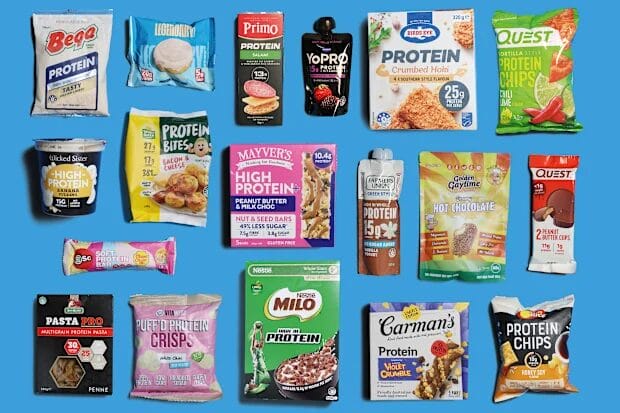
Shoppers walking a supermarket aisle in 2026 will struggle to find a category untouched by “protein-ification”. Cereals, yoghurts, snack bars, desserts, frozen foods, bottled water and even cold brew coffee now carry a protein figure on the front of the pack. Some milk brands have added the word to the label as well, which is a curious piece of marketing given milk has always been a protein food source, a clear case of stating the obvious.
So how do you determine when a marketing trend or gimmick has moved past its useful stage or is a viable market shift for your food brand? Let’s unpack this some more.
What is actually fueling the boom?
The protein surge is not a fad invented by packaging designers. It sits on three real shifts in consumer behaviour, which is exactly why it has lasted longer than most food trends.
- Fitness culture moving from gyms into everyday eating, with macro tracking now mainstream rather than niche
- Healthy ageing, as older consumers look to protect muscle mass and strength
- The rapid uptake of GLP-1 weight-loss medications, which suppress appetite and leave users searching for protein-dense foods in a smaller daily intake
Manufacturers responded at speed. Mintel data shows the number of food and beverage products launched with high-protein claims quadrupled between 2013 and 2024. The commercial logic is simple enough: a modest dose of whey, soy, pea or collagen isolate costs very little, lifts the claim onto the front of pack, and supports a higher shelf price.
The health halo and why it attracts scrutiny
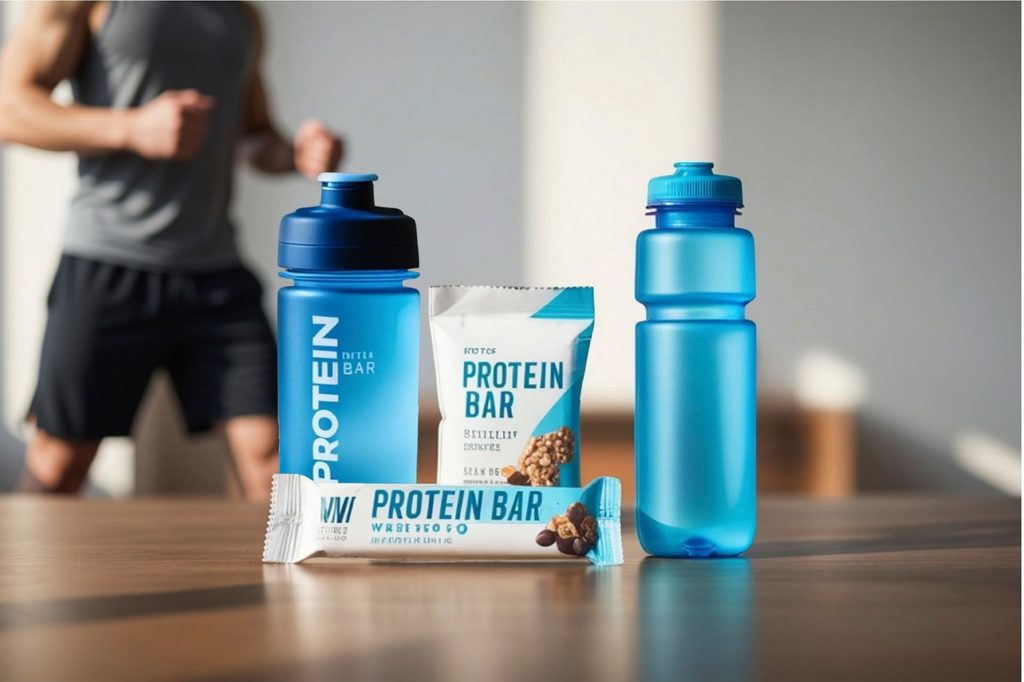
The risk in that equation is the halo effect. UNSW nutrition academic Emma Beckett has warned that when one attribute of a food is seen as positive, consumers assume the whole product is health-promoting even when it is not. Her broader point is blunter: much of what is marketed as high protein is processed food carrying a little added whey.
Regulators and health departments have started looking. An audit by SA Health of 28 sports supplement products found only one complied fully with the Australia New Zealand Food Standards Code, with several flagged for misleading labelling and health claims. Consumer journalists are running the same maths on the grocery aisle, comparing the protein premium against the sugar and kilojoule load. A brand that has built its positioning on a number that does not survive that comparison is carrying reputational risk it may not have priced in.
The 2026 Chobani and Danone dispute and what it signals for brands in competition
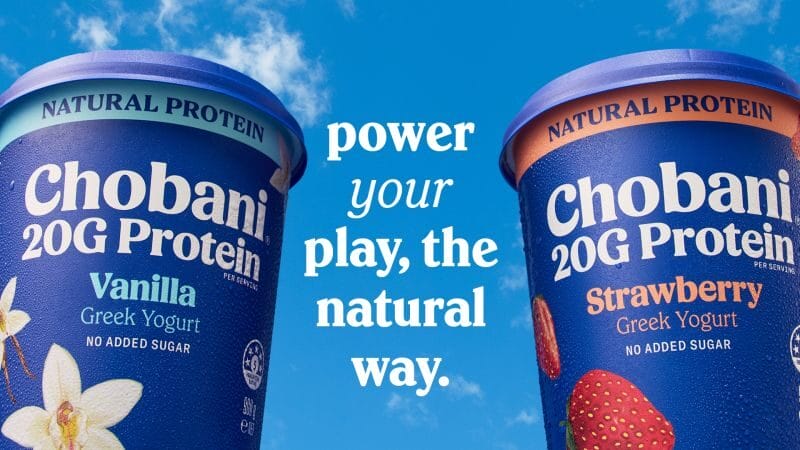
Chobani is an unlikely brand to find in this position. When it entered the United States yoghurt market in 2007, the category ran on conventional products that were higher in sugar and lower in protein, and Greek yoghurt held about 4.4 per cent of the market. By 2021 that segment had reached 46.3 per cent with Chobani leading it. Few brands did more to make protein-dense dairy an ordinary supermarket purchase.
Which is what makes the next part instructive. In June 2026, Danone US filed suit against Chobani in a New York federal court over its 20g Protein yoghurt line. Danone alleges Chobani manipulated the declared serving size so a less protein-dense product would appear comparable to its premium Oikos Pro range and is seeking an injunction, damages and corrective advertising. Chobani has denied misleading shoppers, the allegations are untested, and the company is entitled to defend them.
The sharpest warning for marketers, then, came from a courtroom rather than a regulator. Competitors are now prepared to litigate over how a rival calculates a claim, not simply whether the claim is technically true. That shifts the risk profile for any brand building its marketing on a headline protein number, including the brands that helped build the category in the first place.
What Australian labelling rules actually permit
Australian marketers work under Standard 1.2.7 of the Food Standards Code, which sets hard thresholds before a protein claim can be made at all.
- A food must contain at least 5 grams of protein per serving before any protein claim can be made, unless the claim is about low or reduced protein
- “Good source” requires at least 10 grams of protein per serving
- “Increased” requires at least 25 per cent more protein than the reference food, and that reference food must also meet the general conditions for a protein claim
Beyond the Code sits the Australian Consumer Law, which the ACCC enforces against misleading or deceptive conduct in advertising. Technical compliance with a labelling threshold does not protect a campaign that creates a false overall impression. That distinction is where most brands get caught, because the number on the pack is accurate while the advertising around it is not.
The commercial question most brands skip
Joining a trend is rarely a single line item. A protein play usually means reformulation, new artwork across the range, retailer resubmission, fresh photography, a campaign to announce it and advertising media to carry the message. That investment is committed well before anyone knows where the trend sits on its curve.
Trends do peak. When protein stops being a point of difference, which is already happening in categories where every competitor carries the claim, the spend has bought parity rather than advantage. The brands most exposed are the ones that changed their positioning rather than extending it, because walking the repositioning back costs as much again. Protein is not the first trend to raise that question, and the same test applies whether the trend in front of a brand is underconsumption or platform-native slang.
A few questions are worth answering before the budget is signed off:
- Does the product reach the thresholds honestly, or does the claim depend on a generous serving size?
- Will the added protein improve how the product performs for its existing buyers, or only how it reads on shelf?
- Would a competitor or a consumer advocate be able to run a damaging comparison on sugar, price per gram or ingredient quality?
- Is this a permanent brand position or a limited line extension that can be retired without harm
- What happens to the packaging investment if category-wide protein claims become background noise within eighteen months?
How Ignite Search approaches trend marketing decisions
Ignite Search works with food, beverage and consumer goods brands on exactly this call. The work usually starts with category evidence rather than creative: where the claim sits in the competitive set, what shoppers in that category actually respond to, and whether the proposed messaging survives scrutiny from a regulator, a journalist or a rival.
From there the agency covers positioning and messaging that stands up to a second look, repositioning and packaging strategy where a change is justified, and the search, content and digital advertising work to carry it into the market. Anything that needs a regulatory or legal eye gets flagged early, so it reaches the right specialist well before artwork and media are locked in. Where the evidence says a brand is better off sitting a trend out, the team says so, and that conversation costs a great deal less than a reprint.
Brands weighing a protein strategy, or rethinking one already in the market, can start a conversation with the Ignite Search team.
Talk to Ignite Search today about repositioning your product into the trends marketing segment.