






Inclusive branding is no longer a niche conversation in Australian marketing. As more businesses look to genuinely reflect the country they operate in, First Nations recognition has become one of the more visible shifts in branding, from sponsorships to website language.
NAIDOC Week, held annually in July, is a good moment to take stock of what this looks like in practice. It is not about ticking a box; it is about recognising that Australia’s own brand identity is tied to the world’s oldest continuing culture. Here are five areas worth knowing about and an opportunity to consider where your business brand might be aligned.
1. An Acknowledgement of Country on your digital presence
An Acknowledgement of Country recognises the Traditional Owners of the land a business operates on. It is common at conferences, on event pages, and in website footers and is showing up physically too: some Woolworths stores have engraved entrance plaques acknowledging Traditional Custodians and Elders past, present and future. Also, several airports have welcome signage in local Aboriginal languages on their welcome/farewell signs, and many councils have added Traditional Place names to landmark signage alongside the English name.
Digitally, this can be a line on your about us page, your footer an email signature, or an event statement. A growing number of businesses do this in social bios too, naming the local Aboriginal place alongside or instead of their head office address.
2. Local language in your brand copy
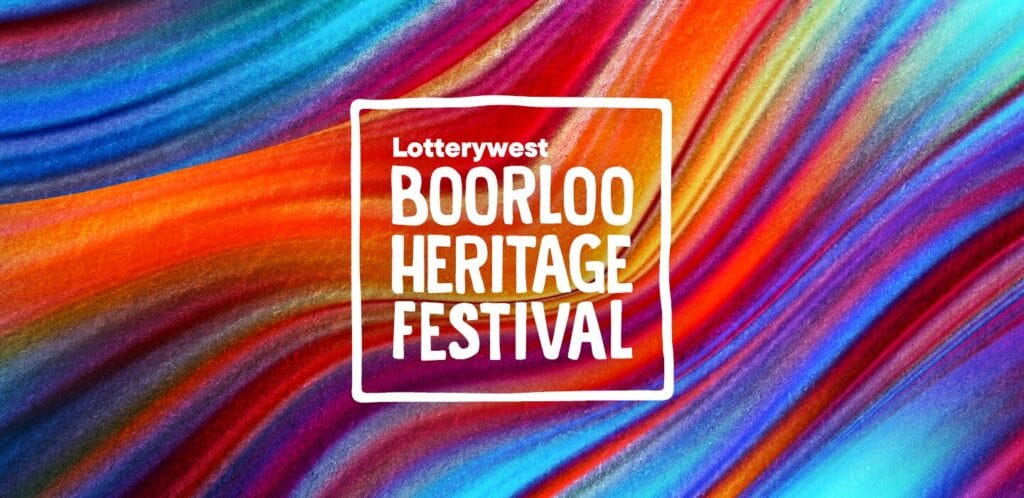
Many cities have widely recognised Aboriginal names: Boorloo (Perth), Naarm (Melbourne), Meanjin (Brisbane) and Gadigal (Sydney). Some businesses use these in location-based copy. Australia Post has taken this further nationally with its Embrace Your Place campaign, updating addressing guidelines so senders can include a Traditional Place name and releasing satchels with a dedicated space for it. Developed with Traditional Custodians and Indigenous business owners across several capital cities, it won Gold and Best in Class at the Good Design Awards.
It’s important to find the language group associated with your area first, since this varies even within a single city. Council resources are a reliable starting point; sense-checking with a local Aboriginal organisation before publishing is worth the extra step.
3. First Nations design elements in brand identity
Some brands reflect First Nations culture in colour palettes, pattern work, or commissioned artwork. This is the area where getting it right matters most: Aboriginal art carries specific cultural meaning tied to particular Country, and generic, unpermissioned use can cause real harm and is rightly seen as appropriation. Brands that do this well commission an Aboriginal artist or business directly and treat it as genuine collaboration, not a stock asset.
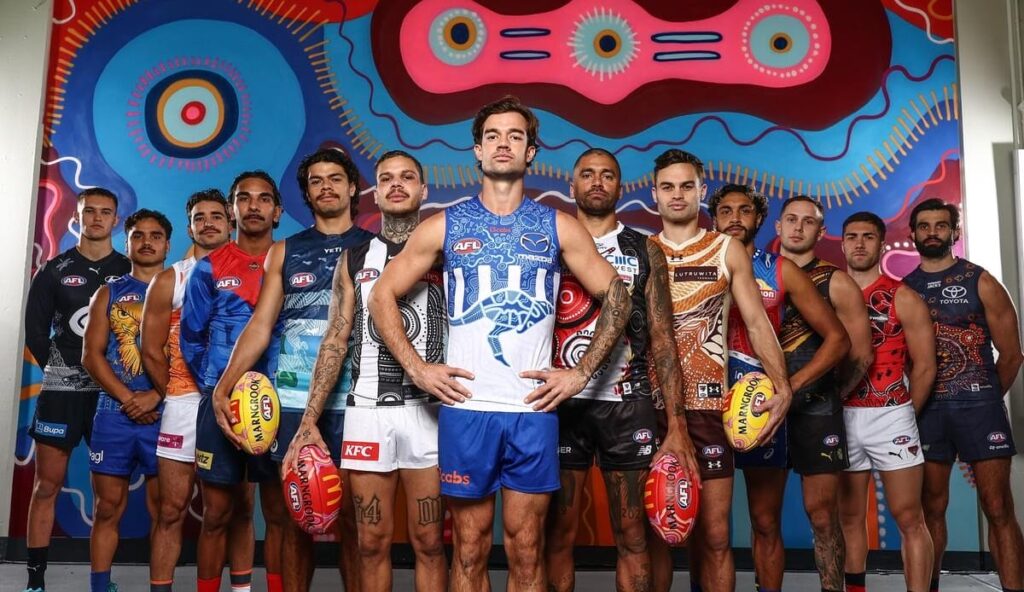
Woolworths and Big W have partnered with Indigenous artists like Ryhia Dank, Bobbi Lockyer, Chernee Sutton and Indigenous-owned businesses like the Warnayaka Art & Culture Centre on items like reusable bags and homewares, with design and ownership sitting with First Nations creators. Major sporting codes build this into their calendars: the AFL’s Sir Doug Nicholls Round and Cricket Australia’s First Nations Round see every club field a dedicated Indigenous-designed strip developed with an Aboriginal or Torres Strait Islander artist. Qantas took a similar approach with its Wirriyarra (“My Spirit Home”) livery uniform textile, created with design studio Balarinji and worn by flight crew for a decade.
4. First Nations dates in your content calendar
Adding dates like NAIDOC Week, National Reconciliation Week, and National Aboriginal and Torres Strait Islander Children’s Day to your social planner builds awareness into your content rhythm and avoids generic, last-minute posts. The National NAIDOC Committee models this well, releasing official social media templates each year with Meta and an Indigenous artist, giving businesses a ready-made, culturally appropriate way to mark the week. Horticulturalists, garden centres and TV Shows like Gardening Australia often use indigenous calendars to mark when the planting and pruning seasons have begun as well as detailed knowledge of Australia’s native flora. Planning your calendar accordingly leaves room to go beyond a single post graphic and reflect on why the date and the season matter.
5. Representation and etiquette in your visuals
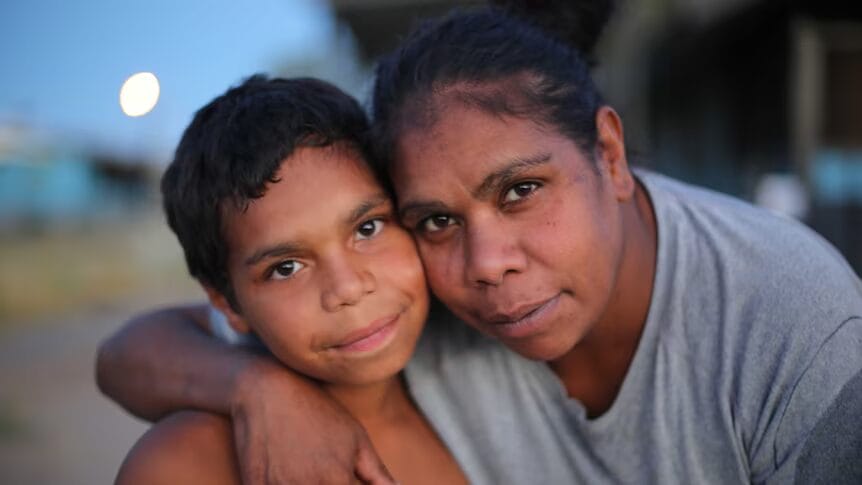
Where marketing includes imagery of community, customers, or staff, some businesses are mindful of representing modern Australia, including First Nations people, authentically and respectfully.
Stock imagery should be approached carefully, since stereotypical depictions do more harm than good. Tourism Australia‘s 2006 “Where the Bloody Hell Are You?” campaign is a widely cited example of getting this wrong: analysis has pointed to its use of Indigenous dancers as a decorative backdrop rather than genuine representation. The Australian Indigenous Design Charter sets a clearer standard, with “Indigenous-led” as its first principle: engaging Aboriginal and Torres Strait Islander designers connected to community and giving them oversight of the creative process. Where real people are involved, proper consent matters, as does avoiding names or images of deceased persons without permission, which carries particular significance in many Aboriginal and Torres Strait Islander communities.
Where to start
None of these five areas require an all-or-nothing approach. Most businesses that do this well start with one or two changes and treat it as an ongoing process, not a single campaign.
If you are unsure where your brand fits, the most reliable starting point is a conversation with a local Aboriginal organisation, consultant, or community contact who can speak to what is appropriate for your location and industry. Genuine engagement, even in small steps, tends to land better than a polished campaign with no substance behind it.