





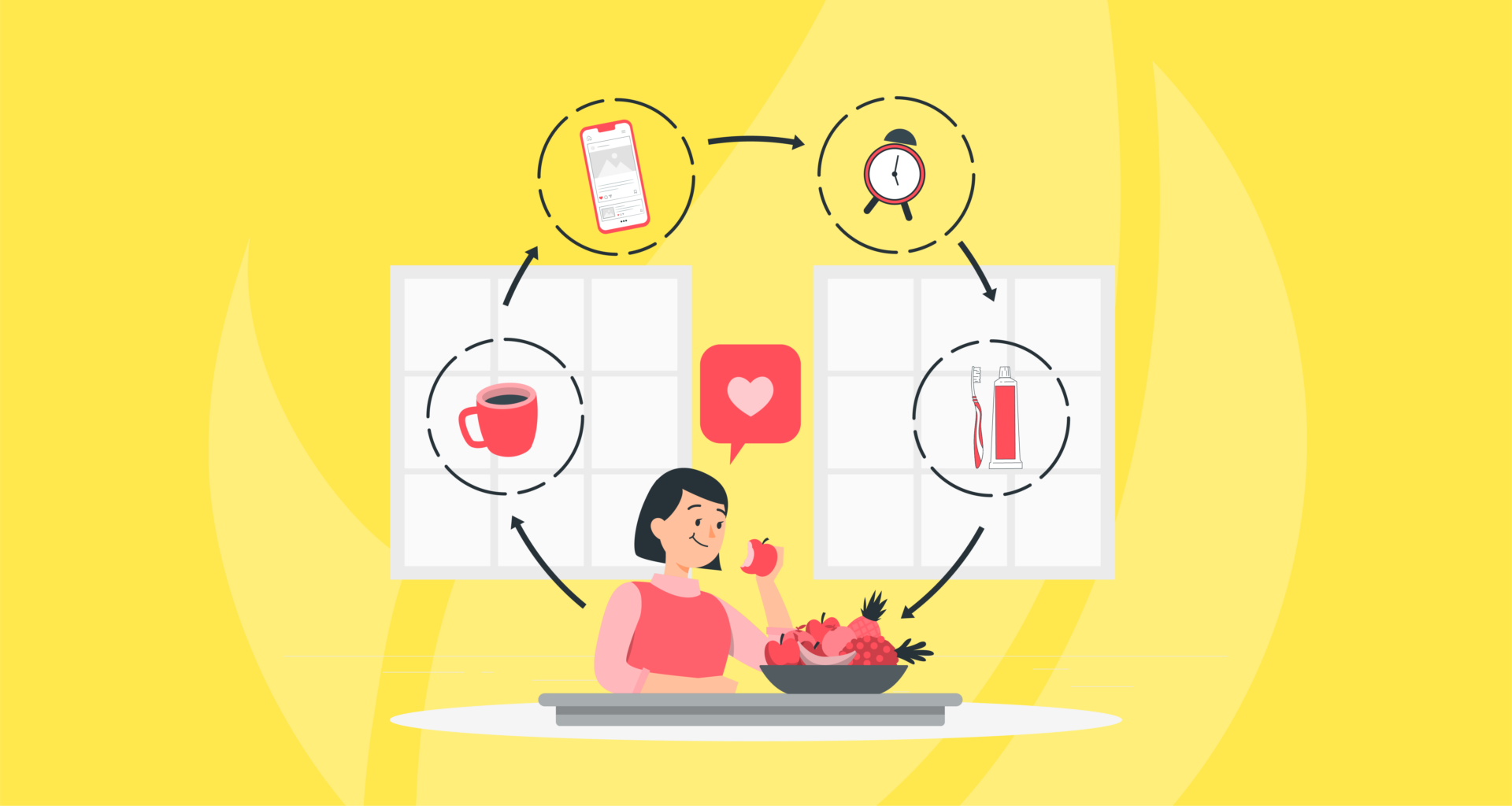
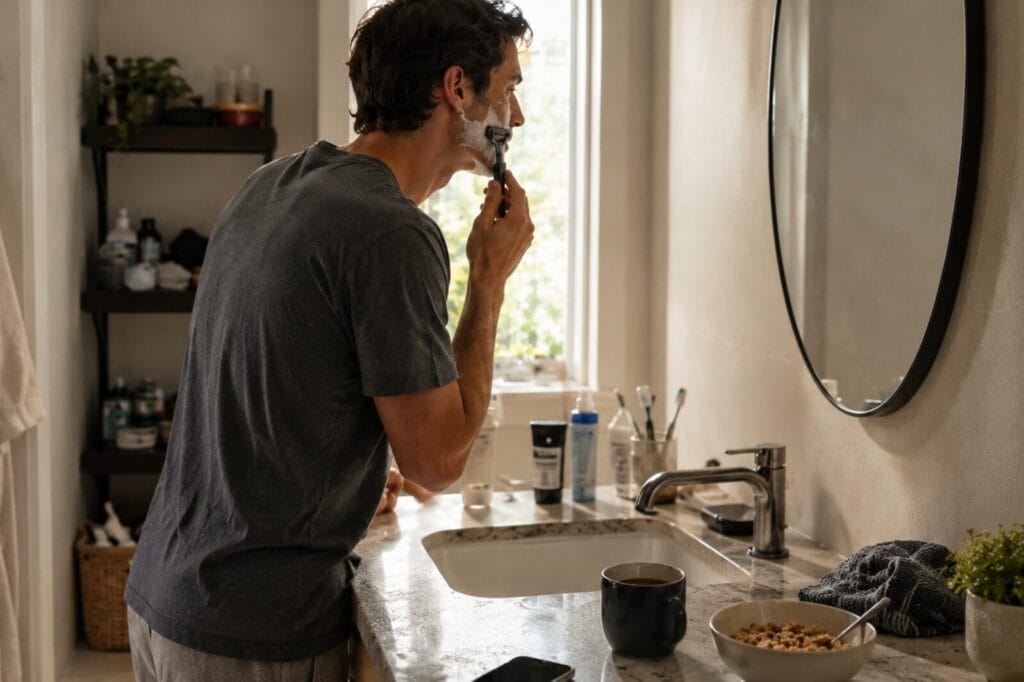
Your morning routine probably feels like yours. Shower. Shave. Breakfast. Maybe a quick scroll, a coffee, a bowl of cereal, and then out the door. It feels personal, practical, almost too ordinary to question. That is exactly what makes habit marketing strategy powerful. At Ignite Search, we often see brands focus so heavily on selling the product before it’s time that they miss the bigger opportunity: selling the behaviour around it.
The most successful brands in history did not always win because they had the best product. They won because they made a new behaviour feel normal. The kind of normal that eventually becomes invisible. This is the genius of engineered marketing. It does not just interrupt your day. It quietly enters your routine until you forget there was ever a time before it existed.
So let’s explore engineered marketing at the consumer level in the first part of our 2-part series.
Why Habits Are the Real Prize
A one-time sale is nice. A habit is much better.
That is because habits reduce decision-making. Once a behaviour becomes automatic, the customer no longer has to be convinced from scratch every time. They do not ask whether they need the product. They simply reach for it because the situation has trained them to.
Behavioural research backs this up. A well-known study on everyday habits found that repeated actions in stable contexts become less dependent on conscious thought and intention over time. In plain English, people do not carefully reason through every small behaviour in their day. Much of daily life runs on repeat.
This matters because most brands are still trying to win the wrong argument.
They ask:
- How do we get people to buy this?
- How do we explain why we are better?
- How do we make the product sound more appealing?
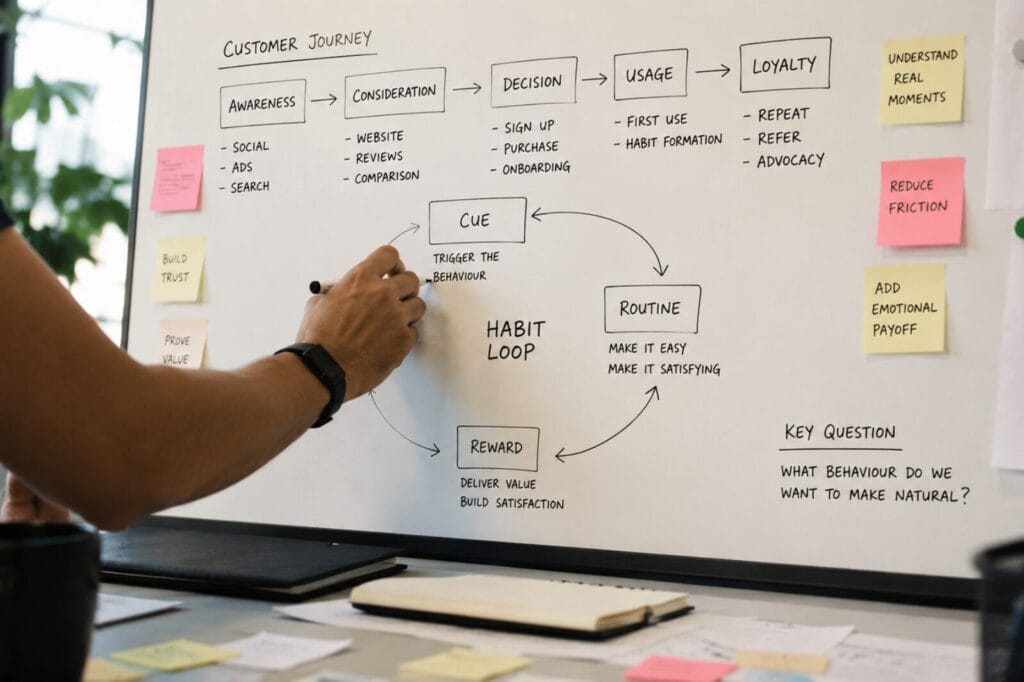
The better question is: ****“What behaviour do we want to make feel natural?”
Pears Soap Sold the Morning Wash
Soap existed long before modern advertising. People knew what it was. The product did not need inventing, but the routine did.
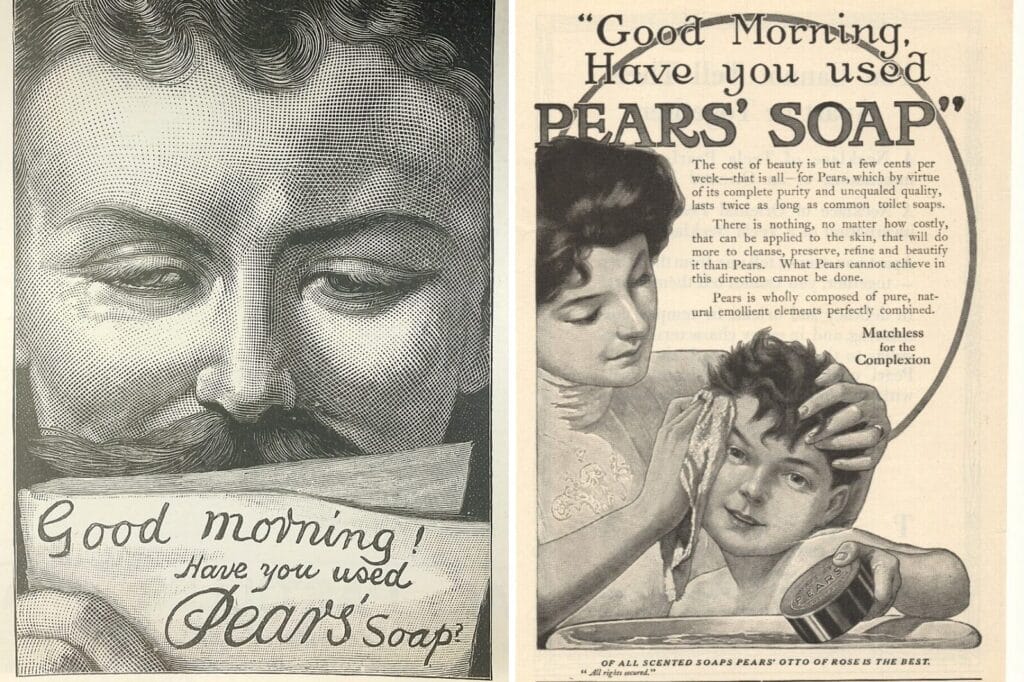
In the late 19th century, Pears Soap became one of the earliest examples of a brand using advertising to reshape everyday behaviour. Thomas J. Barratt, often described as the father of modern advertising, built Pears into a household name through slogans, art, endorsements, and relentless cultural repetition. His famous line, “Good morning. Have you used Pears’ soap?” helped frame washing as something respectable people did at the start of the day.
That question is clever because it does not sell soap directly. It assumes the behaviour. It does not say “Buy Pears’ Soap”. It says, “Surely you have already washed this morning?” That tiny shift is everything. The brand made cleanliness feel less like a health choice and more like a social standard.
The lesson for modern brands is simple. If you can attach your product to a moment that already exists in someone’s day, you have a much better chance of becoming part of the routine.
Kellogg’s Helped Turn Breakfast Into a Category
Breakfast now feels like a fixed part of the day, but the modern idea of “breakfast food” was heavily shaped by cereal companies.
Corn flakes began in the world of health reform. Dr John Harvey Kellogg served early cornflakes at the Battle Creek Sanitarium in the 1890s, where bland grain-based foods were linked to clean living and digestion. His brother, Will Kellogg, saw the commercial opportunity and helped turn cereal into a mass-market breakfast product.
The real shift was not convenience alone. Cereal companies helped define what breakfast should look like: a bowl, milk, something quick, light, and healthier-feeling than yesterday’s leftovers. Kellogg’s was not just competing with other cereals. It was competing with every existing morning habit. To win, cereal had to become not just food but breakfast food.
That is the lesson for any brand trying to grow demand. Sometimes the opportunity is not to say, “Choose us instead of them.” Sometimes it is to say, “This moment needs a category.”
Gillette Expanded the Market by Reframing the Body
Few examples show the force of engineered norms as clearly as women’s hair removal.
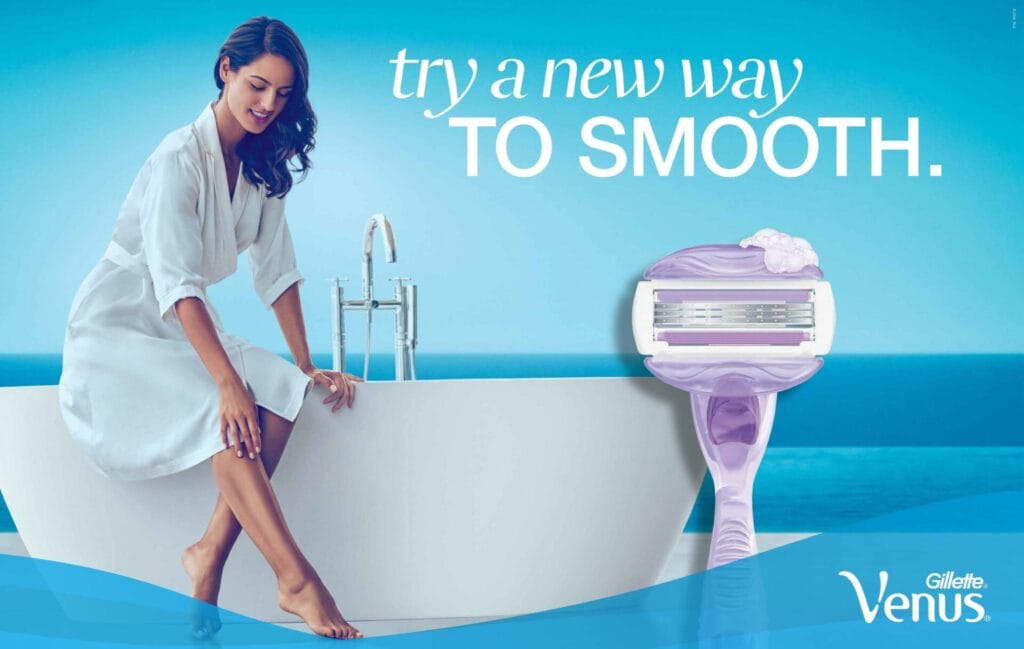
In 1915, Gillette introduced the Milady Décolleté, the first razor marketed specifically to women. The Smithsonian notes that as sleeveless tops and shorter dresses became more visible in the 1920s, advertisers encouraged women to remove hair from legs and underarms.
That is the uncomfortable part of this kind of marketing. It can build habits by making people feel that a normal human feature has become a social problem. The language used in early hair removal advertising often framed body hair as something “objectionable”, “embarrassing” or out of step with femininity.
From a marketing perspective, the structure is clear:
- A cultural shift created a new visibility moment.
- Advertising gave that visibility a negative meaning.
- The product became the easy way to remove the discomfort.
- Repetition turned the behaviour into a norm.
This does not mean brands today should manufacture insecurity. At Ignite Search, that is not the kind of marketing we stand behind. The more useful and responsible lesson is that behaviour changes when the social meaning around a product changes.
The Pattern Behind Engineered Habits
Pears, Kellogg’s and Gillette are very different products, but the pattern used for their marketing was not.
Each brand did some version of this:
- Attach the product to a repeated moment. Morning wash. Breakfast. Dressing for the day.
- Give the behaviour social meaning. Cleanliness. Health. Refinement. Modernity.
- Make the alternative feel slightly wrong. Not dirty in a dramatic way. Just behind, careless, outdated, or unprepared.
- Repeat the message until it feels like common sense. The best marketing eventually stops sounding like marketing.
Once the behaviour becomes part of the culture, the brand no longer has to carry the full weight of persuasion. The customer’s environment does most of the selling.
What This Means for Brands Now
Most businesses cannot manufacture a global social norm, and they do not need to. The practical opportunity is smaller, sharper, and more useful.
Look at your product and ask:
- What moment should this belong to?
- What behaviour are we trying to encourage?
- What does using this product help the customer feel?
- What repeated cue could bring them back?
- What would make this feel natural instead of promotional?
This is where strategy matters. A content calendar is not enough if every post is just another product reminder. The brands that build real momentum create a behavioural reason for showing up. They understand the customer’s day, not just the customer’s demographic.
If you want to see how this works through sensory cues and digital experiences, our piece on sensory marketing strategies is worth a read.
The Real Job Is Not Selling Harder
The uncomfortable (but useful) truth behind engineered marketing is that consumers are independent, but they are also human. They respond to repetition, context, belonging, status, ease, and emotion. So do business buyers. So do marketing managers. So do all of us.
The goal is not to trick people into wanting things they do not need. It is to understand where your product genuinely fits into a customer’s life, then make that behaviour easy to recognise, repeat, and remember.
If your brand is struggling to gain traction, the problem may not be the product. It may be that you are still trying to sell an object when you should be building a habit. Ignite Search can help you develop a marketing strategy built around how people actually think, decide, and behave. Talk to our team today.