






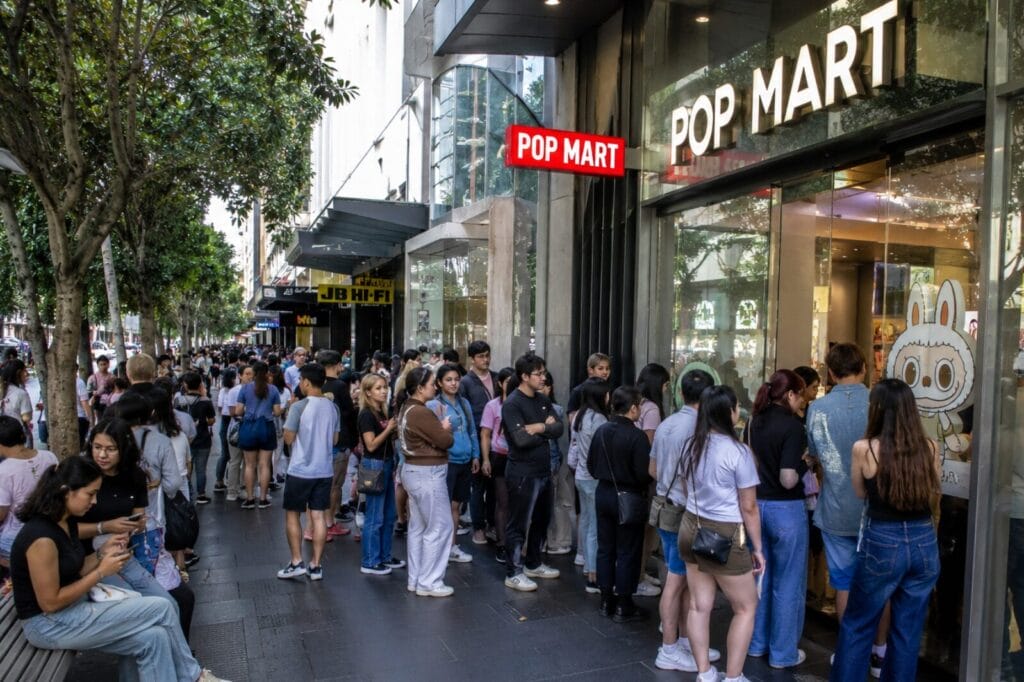
There are people queuing outside Pop Mart stores in Sydney and Melbourne to buy a small, pointy-eared monster with serrated teeth. The Labubu is not conventionally beautiful. It is a little odd-looking but very irresistible. Over 100 million units sold globally in 2025. And if you look at why it is connecting with people the way it does, you will find the same signal that lo-fi content marketing is sending to every brand operating in Australia right now. At Ignite Search, we have been watching this shift play out in real time, and it is not a passing moment. Something more fundamental is changing in the way Australian audiences respond.
The numbers are harder to argue with than the cultural theory. HubSpot’s Social Media Marketing Report found that more than 60% of consumers now rate authentic, relatable content as more important than polished, high-quality production. Raw Instagram Reels are outperforming studio-quality content by 20% on average. TikTok lo-fi ads are generating 32% higher watch-through rates than their polished equivalents. Australian e-commerce brands using customer-generated content instead of branded imagery are seeing 29% higher conversion rates. These results will tell you that something real has shifted.
Why Perfect Started Losing
For most of the past decade, high production value was shorthand for credibility. Good lighting, clean editing, and a professional set told audiences that a brand had resources and took itself seriously. That logic held up when great production was genuinely hard and expensive.
AI changed the equation. Generative tools can now produce flawlessly lit, perfectly composed, studio-quality imagery in seconds. When anything can look perfect instantly, perfection stops being evidence of effort, quality, or human involvement. It becomes noise. Audiences are not always consciously processing this, but they feel it. Content that looks too clean now triggers the same quiet scepticism that a stock photo used to. The brain reads polish as synthetic and rawness as real.
What the Shift Looks Like in Practice
The best local example is Ali Chebbani, a Western Sydney accounting student who started filming his burgers at home during lockdown. No studio, no crew, no brand strategy deck. He committed to one video a day and built over a million TikTok followers through his Burger of the Day series. When his Roselands food truck opened post-lockdown, he sold out nearly 500 burgers on opening weekend. Chebbo’s Burgers now has a permanent restaurant in Marrickville.
That story is not unusual anymore. It is the template. And the Australian brands getting the most traction on social right now share a few consistent traits:
- They show the process, not just the result. Packing orders, prepping ingredients, fixing problems in real time. People want to see the effort, not just the finished product.
- They put real people on camera. A founder talking honestly, a team member answering a question, a customer sharing their actual experience. These consistently outperform scripted brand messaging.
- They respond quickly to what is happening now. Lo-fi content can be produced and posted in hours. Brands moving at that speed stay culturally relevant in ways that brands waiting for a full production cycle cannot.
- They let customers do some of the talking. User-generated content is eight times more effective at driving purchase decisions than influencer content, because audiences know real customers have nothing to sell them.
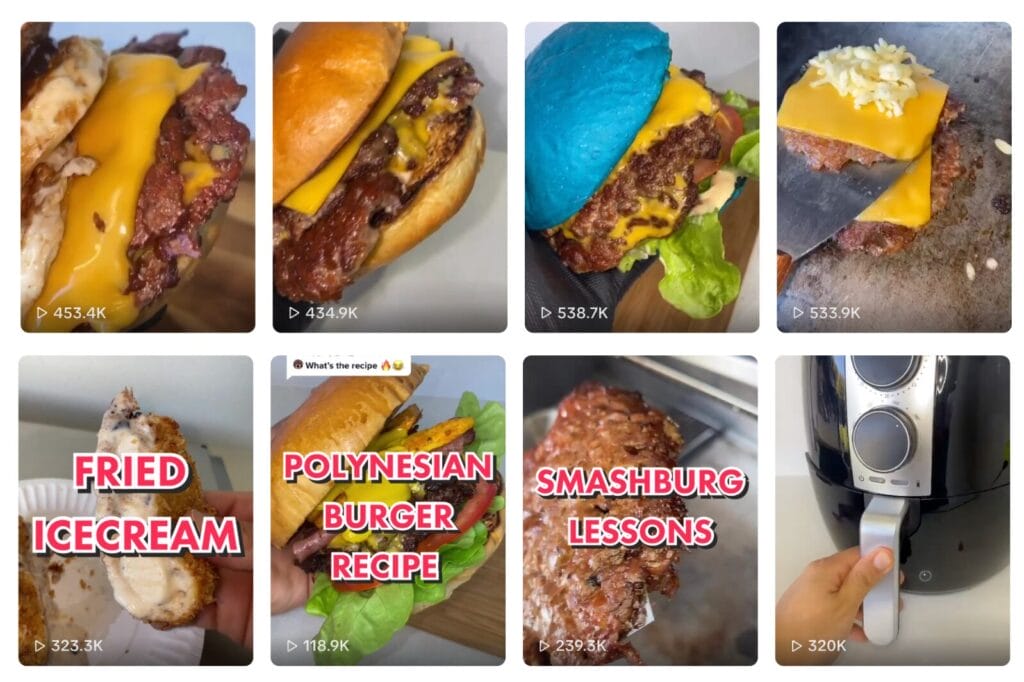
Image via @Chebbo on TikTok
The Distinction That Matters
It’s important to keep in mind that this is not a case for sloppy content. There is a real difference between lo-fi and low-effort, and your audience will notice it. Lo-fi content is deliberate rawness in the service of connection.
It is:
- A founder genuinely working through a decision on camera
- A customer sharing an unfiltered reaction
- A behind-the-scenes footage that shows how a business actually operates day to day
What makes it work is not the production quality. It is the presence of something real worth watching.
Low-effort content is a blurry photo with a generic caption posted because something needed to go up today. That does more damage than posting nothing.
The craft in lo-fi content is in knowing what is worth capturing, and having a brand voice clear enough that even an unedited, casual moment still sounds like you. A good test: if you covered the logo, could your audience still tell it was your brand? If the answer is no, the problem is not the production budget.
The 80/20 Rule Worth Knowing
Most brands do not need to abandon professional production entirely. The practical approach that content strategists are seeing work best right now looks roughly like this:
- 20% polished: Your website, hero product imagery, flagship campaigns. These still benefit from craft and intention.
- 80% raw: Your feed, your Stories, your Reels, your LinkedIn posts. This is where the human, unfiltered content wins.
Ten authentic posts can be produced for the cost of one glossy video, and the data consistently shows they outperform that single polished asset. If you want to understand how this plays out in short-form video specifically, our piece on high-converting social media reels covers what actually makes content stop the scroll.
Using This Wisely
The brands winning with Australian audiences right now are not the ones with the largest production budgets. They are the ones who have given themselves permission to show up honestly and built systems that let them move quickly enough to stay relevant.
If you want to figure out what that looks like for your brand, Ignite Search can help you build a content strategy built around how people actually behave. Talk to our team today!