




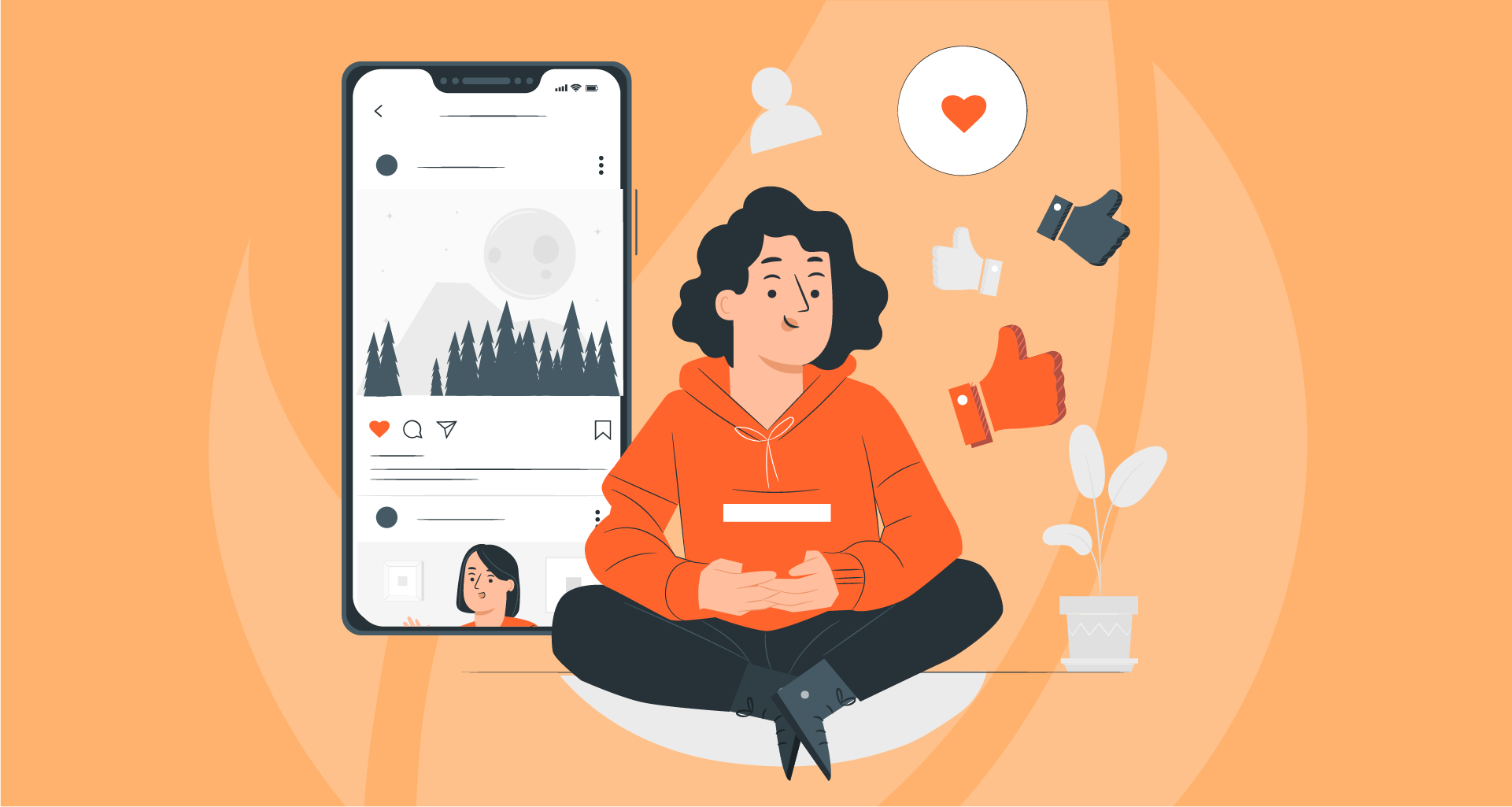
2025 seemed to fly by before most of us even had a chance to look up. Between launching campaigns, tweaking creatives, and dealing with the usual round of platform surprises, the year felt full from start to finish. With that kind of pace, it was easy to miss the quieter updates happening in the background.
While we were focused on day-to-day delivery, Instagram, TikTok, Facebook, and LinkedIn continued rolling out new features. A few updates made enough noise to get attention, but many arrived quietly and blended into the workflow without much notice.
This roundup brings all of that back into focus.
1. Instagram’s Shift Toward More Personal Sharing
If you spent any time on Instagram this year, you probably noticed something. The app suddenly felt… smaller. In a good way.
Instagram leaned heavily into what it called “friends-first” features such as Reposts, the Friends tab, and the Friend Map, all announced in Meta’s update earlier this year.
These weren’t random add-ons. They were Instagram’s way of nudging people toward more personal sharing, something the platform has struggled to retain as feeds became more curated.
Why this matters for 2026
Think back to how people used Instagram five years ago. Candid snapshots, quick updates, less pressure. Instagram is clearly trying to bring that feeling back.
This means your audience may reward posts that feel more authentic or relatable. Not low quality, but more human. Content that sparks conversation or feels like it belongs among friends may perform better than glossy, high-production pieces.
What you can do
- Post more behind-the-scenes and “day in the life” moments
- Prioritise content that encourages saves and shares
- Mix educational posts with community-style updates
2. TikTok: The Year It Became a Search Engine
If Instagram embraced small circles, TikTok did the opposite. It expanded.
One of the biggest shifts this year was the launch of the Search Ads Campaign, introduced officially by TikTok for Business.
This move wasn’t subtle. TikTok wants users to search within the platform the same way they search on Google or YouTube, and they want brands to meet them there.
Marketers who tested Search Ads saw stronger conversion lift when paired with in-feed ads, reinforcing how discovery works inside the TikTok ecosystem.
Why this matters for 2026
Search behaviour on TikTok is already huge. Users search for recipes, product reviews, property advice, and even local services. TikTok wants to own that space.
Using the right keywords now plays a noticeable role in how often your content appears in searches, so it’s worth being intentional with phrasing and descriptions.
What you can do
- Write captions with search intent in mind
- Test formats such as “how to”, “tips”, and “what you need to know”
- Consider early Search Ads testing while competition is still low
3. Facebook: More Sharing, Less Broadcasting
Facebook doesn’t shout its updates from the rooftops anymore, but the platform continued its slow evolution toward community-based engagement.
Meta introduced more features that encourage people to reshare posts or send content privately to friends.
It’s a small change on paper, but it reflects how Facebook sees its future: less public posting, more group-like behaviour.
Why this matters for 2026
Organic reach on Facebook is becoming increasingly dependent on how shareable your content is. The days of posting to your followers and expecting reach are long gone.
What you can do
- Repost your strongest Instagram content to Facebook
- Test short videos, simple visuals, and conversational updates
- Encourage reshares by offering quick tips, reminders, or community stories
4. LinkedIn: Video Finally Steps Into the Spotlight
LinkedIn has been hinting at a move toward video for a while, but 2025 was the year it committed.
The platform rolled out new creation tools for vertical video and improved analytics. This shift isn’t about copying TikTok. It’s about giving professionals a faster, more engaging way to share insights.
Why this matters for 2026
Short videos are outperforming long text posts in many industries. Thought leadership isn’t disappearing, but audiences want it in formats they can consume quickly.
What you can do
- Try posting short videos that share lessons, insights, or opinions
- Pair videos with short captions or simple hooks
- Ask questions to spark conversation since comments still drive reach
5. Australia’s Under-16 Social Media Minimum Age Bill: A Quiet Change With Big Impact
This might be the most important update of the year for Australian brands.
The Online Safety Amendment (Social Media Minimum Age) Bill 2024 officially passed, requiring platforms to prevent users under sixteen from signing up. They must have systems in place by 10 December 2025.
This update received significant attention across Australia, and for good reason.
Why this matters for 2026
If your brand targets younger teens, your social strategy will need to change completely. And even if you don’t, you might see shifts in engagement as platforms tighten onboarding and verification.
You may also see stricter rules about what brands can post, especially when content might appeal to minors.
What you can do
- Check your analytics to understand how many under-16 users follow or view your content
- Update your messaging and targeting plans for 2026
- Prepare for new verification and compliance requirements
For a deeper breakdown of the legislation and how to adjust your marketing strategy, you can read our full analysis here: Under-16 Social Media Ban in Australia and How to Adjust Your Marketing Strategy in 2026
Final Thoughts
A useful way to think about 2026 is this: the rules didn’t change, but the habits did. People are searching in new places, sharing in smaller circles, and choosing formats that feel effortless to engage with. Your strategy only needs to shift enough to meet them where they already are.
If you’d like support turning these updates into a roadmap, our team at Ignite Search works with brands to refine channel strategies, shape content plans, and create a direction that actually fits the way your audience uses social media today.